Contact us info@vividtravelnz.com

Behind the Screen: Discovering the Magic of Chinese Shadow Puppetry
Imagine a darkened room. A white screen glows softly. Behind it, a storyteller brings colorful figures to life—warriors, princesses, dragons—dancing to the beat of gongs and the rhythm of an ancient language. This is Chinese shadow puppetry, one of the oldest and most enchanting forms of storytelling in the world.
CHINESE CULTURE
5/26/20251 min read
What Is Shadow Puppetry?
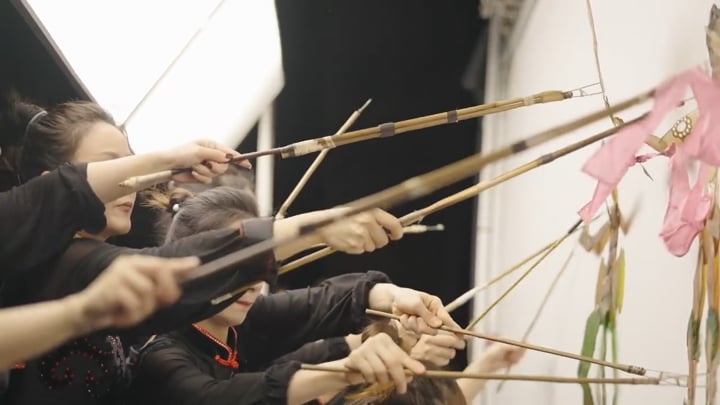
Shadow puppetry (called "pí yǐng xì" in Chinese) is a traditional folk art where flat puppets made from leather or paper are placed behind a lit screen to cast moving shadows. Performers manipulate these puppets with thin rods while narrating stories through music, singing, and dialogue.
It's been around for over 2,000 years and is said to have originated during the Han Dynasty. The legend goes that Emperor Wu missed his beloved concubine after her death. To ease his sorrow, a court artist created a puppet in her image and brought her "back to life" through shadow play. Thus, a magical tradition was born.
Art Meets Craftsmanship
These puppets aren't just tools—they're miniature works of art. Traditionally made from dried cowhide or donkey hide, the puppets are carefully carved and painted by hand. Each figure has movable joints, and their designs are full of symbolism: red for bravery, white for cunning, black for honesty.
The performance is just as intricate. A single puppeteer might control multiple characters at once while also voicing different roles, playing instruments, and coordinating with other performers. It's a one-person orchestra—plus a light show!
More Than Entertainment
Shadow puppetry isn't just a show—it's a cultural time capsule. For centuries, it's been used to pass down folklore, moral lessons, historical events, and even satire. Rural communities would gather to watch performances during festivals, weddings, and temple fairs. It was the “movie night” of ancient China.
Today, while modern entertainment has taken center stage, shadow puppetry is experiencing a revival. Artists and cultural groups are working hard to preserve this heritage. In 2011, it was added to UNESCO’s list of Intangible Cultural Heritage of Humanity, shining an international spotlight on this fading art.
Why It Still Matters
In a world of CGI and digital animation, shadow puppetry may seem simple. But that's where its charm lies. It reminds us that storytelling doesn't need to be high-tech to be powerful. A screen, a light, a few puppets—and suddenly, we’re transported to ancient worlds.
So next time you visit China, look beyond the skyscrapers and technology. Find a local theater or museum where shadow puppets still flicker behind the screen. You’ll witness not just a performance, but a living piece of Chinese soul.
Connect With Us
Support
info@vividtravelnz.com
© 2025. All rights reserved.


Christchurch, New Zealand