Contact us info@vividtravelnz.com

Whispers of Old Beijing: Life Inside a Chinese Hutong
Hidden behind the bustling modern skyline of Beijing lies a world of narrow alleyways, charming courtyards, and centuries-old traditions. Explore the soul of Beijing’s hutongs—where mahjong games, handwritten calligraphy, and sizzling street food keep old China alive in the heart of the city.
CHINESE CULTURE
Vivid Travel NZ
6/4/20252 min read
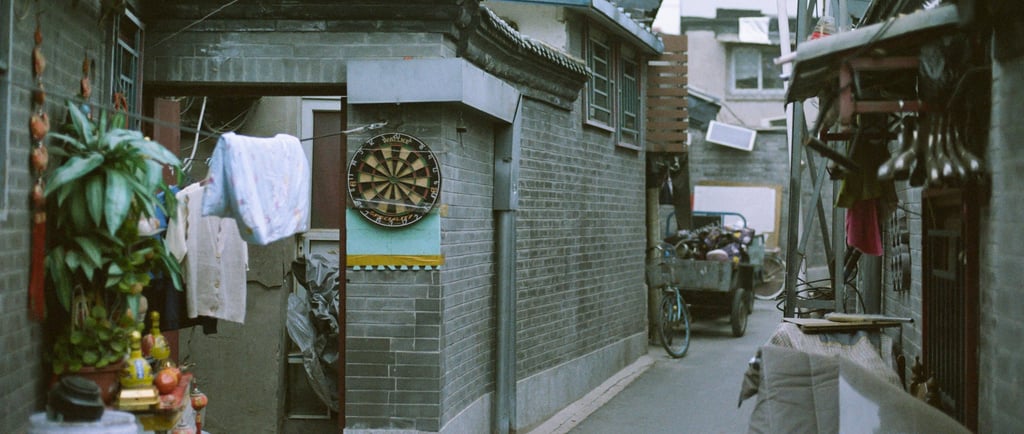
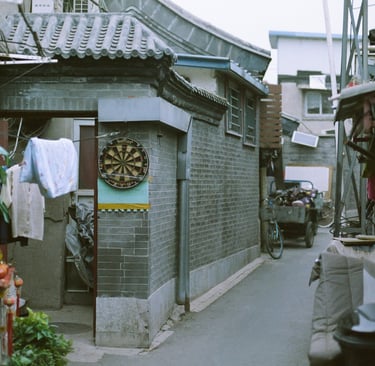
When most people think of Beijing, they picture the Great Wall or the grandeur of the Forbidden City. But tucked away behind the high-rises and bustling roads lies a quieter, older heartbeat of the city—the hutongs. These narrow alleyways, with their grey brick walls and traditional courtyard homes, tell stories of emperors, poets, and everyday people.
What Is a Hutong?
The word hutong comes from the Mongolian word for "water well," but in Beijing, it refers to the maze-like lanes that have crisscrossed the city since the Yuan Dynasty (13th century). Most hutongs were built during the Ming and Qing dynasties, and they follow a grid pattern surrounding the imperial palace, once designed to reflect order and harmony in society.
A typical hutong is lined with siheyuan, or courtyard homes, where generations of a family might live around a central garden. These homes aren't just buildings—they're a living map of traditional Chinese family values and social order.
Daily Life in a Hutong
Step into a hutong in the early morning, and you'll see a slow rhythm of life. Elderly residents take walks with their caged birds, neighbours chat while buying fresh tofu from a local vendor, and the smell of sesame pancakes wafts from tiny breakfast stalls.
There's no rush here. Children play with homemade toys, laundry flaps gently in the breeze, and doors are often left open, not out of carelessness, but out of trust. This is a community where everyone knows each other. It's where stories are passed down not through books, but through shared tea and evening strolls.
Why Are Hutongs So Special?
Hutongs are more than charming alleys—they're a living museum of Chinese culture. Each lane has its own name, history, and personality. Some were homes to scholars and officials; others were known for opera singers, craftsmen, or revolutionaries. Famous hutongs like Nanluoguxiang have become cultural hotspots filled with cafes and boutiques, while others remain untouched, offering a more authentic glimpse into old Beijing.
The layout of a hutong reflects deep Confucian principles—like hierarchy, respect for elders, and harmony with nature. Even the way doors are designed (with different colored tiles or number of doorsteps) once showed a family’s social status.
Preserving the Past in a Changing City
As modern Beijing continues to expand, many hutongs have been demolished to make way for new developments. But efforts are growing to protect and restore them. Some areas, like the Shichahai district, have become model examples of how tradition and tourism can coexist.
By walking through a hutong, you're not just seeing old buildings—you're stepping into a way of life that has endured wars, dynasties, and revolutions. You're hearing the whispers of a slower, more human Beijing.
How to Experience Hutong Culture
If you're planning to visit Beijing, don't miss these ways to explore hutongs:
Take a rickshaw ride through historic lanes like Yandaixiejie or Mao'er Hutong.
Join a tea-tasting session in a courtyard home with a local family.
Learn traditional crafts, like paper cutting or calligraphy, from a hutong artist.
Cook dumplings with a Beijing grandma in her family's kitchen.
Wander at sunset, when the lanterns start to glow and the city slows down.
In a city rushing toward the future, Beijing's hutongs offer a chance to slow down and connect with the past. They remind us that culture isn't just preserved in museums—it's lived, every day, in the narrow lanes of a neighborhood filled with memory and meaning.
So next time you're in Beijing, skip the highway—and take a detour through history, one hutong at a time.
Connect With Us
Support
info@vividtravelnz.com
© 2025. All rights reserved.


Christchurch, New Zealand